How to Keep Vegetables Fresh for Longer in the Fridge
Published: November 12, 2026
Source: www.foodsafety.gov — official guidance
Vegetables stay crisp and fresh much longer when they are stored the right way — dry, cold, and in the right place in the fridge.
Before you start
- Keep clean plastic bags or containers, a few paper towels, and a dry cloth ready before you start sorting vegetables.
- Make space in the crisper drawer of your fridge — that is where most vegetables belong, not on a crowded shelf.
- Know this first: do not wash vegetables before storing them. Wash them only just before you cook or eat them.
Set the fridge up for fresh vegetables
First, make sure your fridge is cold enough. Check the temperature setting your fridge manual recommends for fresh food, and use a fridge thermometer if you have one — a fridge that is too warm lets vegetables spoil much faster. Keep the fridge door closed as much as you can so the cold stays in.
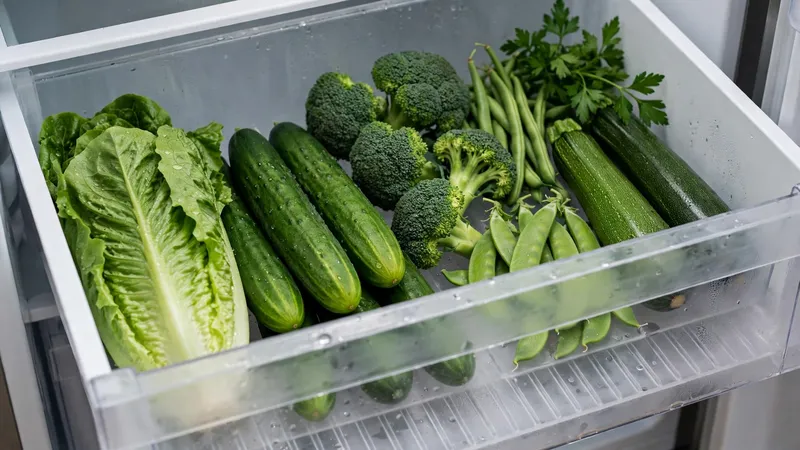
Use the crisper drawer for vegetables. Most fridges have a drawer with a humidity slider: set it to high humidity for leafy greens, broccoli and carrots, which need moisture in the air to stay crisp. If your drawer has no slider, a loosely closed bag does the same job. Do not overfill the fridge — air needs room to move around the food.
Store vegetables dry and unwashed
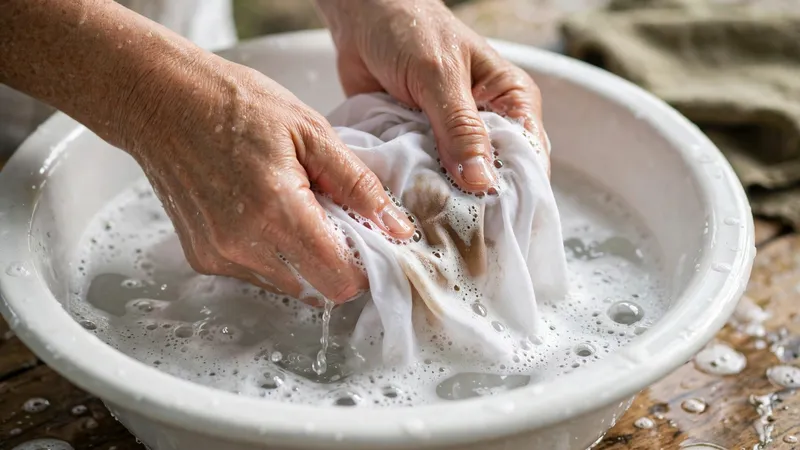
Put vegetables away dry and unwashed. Extra water on the surface is one of the main reasons vegetables go soft and mouldy in the fridge, so do not wash them before storing. If a vegetable is wet from the shop or the market, pat it dry with a clean cloth first.
Store most vegetables in a plastic bag with a few small holes poked in it, or in a loosely closed bag, so air can move but moisture stays in. Keep different vegetables in separate bags rather than piling everything into one — that way one spoiling vegetable cannot spoil the rest, and you can see what needs using first.
Wrap leafy greens and separate the rest
Leafy greens need extra care. Discard any outer leaves that are already wilted, then wrap the greens loosely in a dry paper towel and place them in a bag in the crisper drawer. The towel soaks up extra moisture without drying the leaves out, and you can swap it for a fresh one if it gets damp.
Keep some vegetables out of the fridge entirely: onions, garlic, potatoes and winter squash belong in a cool, dark, dry place, and ripe tomatoes stay at room temperature. Also keep vegetables away from fruits that give off ripening gas, like bananas and apples — that gas makes vegetables age faster, so store them in different drawers.
Check, use, and save what is wilting
Check your vegetables every few days. Look for soft spots, sliminess, mould or a sour smell, and remove anything that has gone bad before it spreads to its neighbours. Eat the most delicate vegetables first — leafy greens, herbs and mushrooms spoil fastest, while carrots, cabbage and beets last much longer.
If vegetables are wilting but not spoiled, cook them instead of throwing them away — soups, stir-fries and curries are perfect for soft vegetables. Cut vegetables you have already prepared should be kept in clean, covered containers in the fridge and used soon. When in doubt about a vegetable, throw it out rather than risk eating it.
Tips
- Buy only the vegetables you will use in the next few days. A smaller, fresher shop lasts longer in the fridge than a big shop that slowly spoils.
- Keep the crisper drawer clean and dry. Wipe it out when you put new vegetables in, so old moisture and bits of spoiled food do not spread.
- Trim the green tops off carrots, beets and radishes before storing — the tops keep pulling water out of the root and make it go limp faster.
Keep in mind
- Never store vegetables next to raw meat, poultry or fish in the fridge. Keep them in separate drawers or on a higher shelf so no juices can drip onto them.
- Throw away any vegetable that is slimy, mouldy, or smells sour — do not just cut the bad part off and eat the rest.
- Cut or peeled vegetables must go into clean, covered containers in the fridge and be used soon. Do not leave cut vegetables out at room temperature.
- Wash vegetables just before eating or cooking, not before storing — extra moisture is the fastest way to make them spoil.
FAQs
Should I wash vegetables before putting them in the fridge?
No — for most vegetables, washing before storage makes them spoil faster, because the extra moisture encourages mould and rot. Store them dry and unwashed, and wash them just before cooking or eating. The only exception is very muddy greens: rinse those, dry them well, and wrap them in a paper towel before storing.
Why do my leafy greens go limp so quickly?
Limpness usually means the vegetable has lost water, not that it has gone bad. Leafy greens and herbs lose water fast in dry fridge air. Try standing them in a little cold water for a short while — many greens perk up again. If they feel slimy, smell sour, or show mould, throw them away instead.
Which vegetables should not go in the fridge?
Onions, garlic, potatoes and winter squash keep better in a cool, dark, dry place outside the fridge, like a cupboard or pantry basket. Tomatoes also lose flavour in the cold, so keep ripe tomatoes at room temperature away from sunlight. Once any of these are cut, though, they must go into the fridge in a covered container.
Can I still eat vegetables that have gone a bit wilted?
Often, yes. Wilting on its own is a quality problem, not a safety problem — a limp carrot or soft lettuce leaf is usually still safe to eat, and cooking it is a good use for it. But if the vegetable is slimy, mouldy, or smells sour or off, do not eat it. When in doubt, throw it out.